


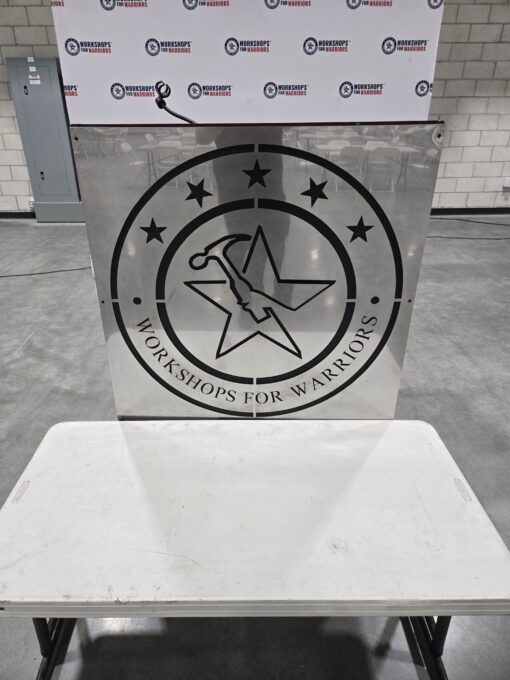
Last week, Arc-Zone attended an AWS meeting hosted at Workshop for Warriors in San Diego — and it reinforced something we’ve believed for a long time:

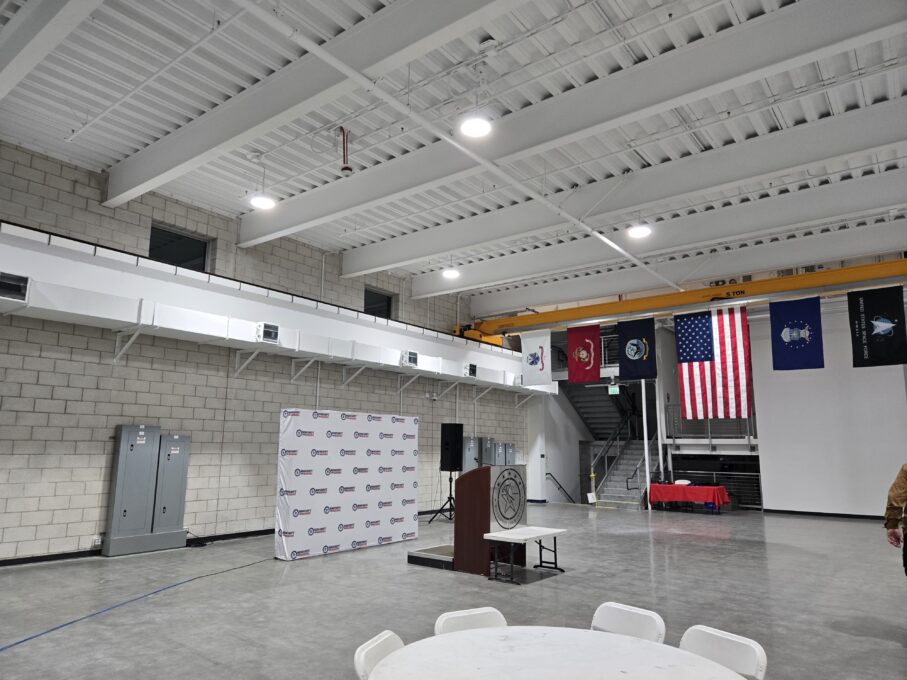
The future of welding doesn’t start on the jobsite.
It starts in the classroom, at the booth, and with real arc-time.
This wasn’t just another industry meeting. It was a room full of veteran students, instructors, and industry leaders talking honestly about where welding is headed over the next 10–20 years — backed by real workforce data, job-demand heat maps, and scholarship programs from the American Welding Society.
The Workforce Reality
The American Welding Society shared data showing a national demand for hundreds of thousands of new welding professionals over the next decade, driven by infrastructure investment, advanced manufacturing, and an aging workforce nearing retirement. Scholarships, workforce planning tools, and regional demand data aren’t “nice to have” anymore — they’re necessary.
What stood out was how clearly this information was communicated to the students in the room. They weren’t being trained for yesterday’s welding jobs. They were being shown exactly where opportunity is growing and why their skills will still matter years from now.
The Training Model That Actually Builds Welders
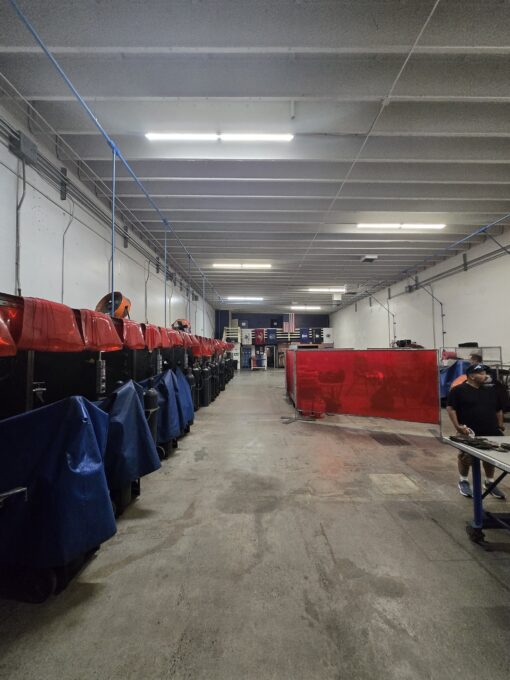
The biggest difference at Workshop for Warriors is simple — time under the hood.
Students average nearly seven hours of welding arc-time per day, supported by focused classroom instruction. That kind of repetition builds muscle memory you can’t fake. Refilling wire, dealing with line issues, cleaning guns, adjusting settings — the things that only show up when you weld for hours at a time.
Every student has space. Individual booths. Dedicated equipment. A setup designed for production-ready training, not overcrowded labs or shared machines. Compared to many traditional programs, graduates leave with significantly more real welding experience before ever stepping onto a jobsite.
Welding, Automation, and the Human Factor
We also had the opportunity to speak directly with students and the message was simple:
Robots aren’t replacing welders. They’re tools.
Automation, CoBots, and robotic welding systems still require skilled humans to set them up, maintain them, troubleshoot them, and make judgment calls. The welders who succeed long-term will be the ones who adapt, diversify their skills, and understand how technology fits into the process — not the ones who fear it.
That message resonated. Conversations continued well after the presentation, with students asking about careers, opportunities, and how to keep building their skill sets beyond school.
Supporting the Pipeline
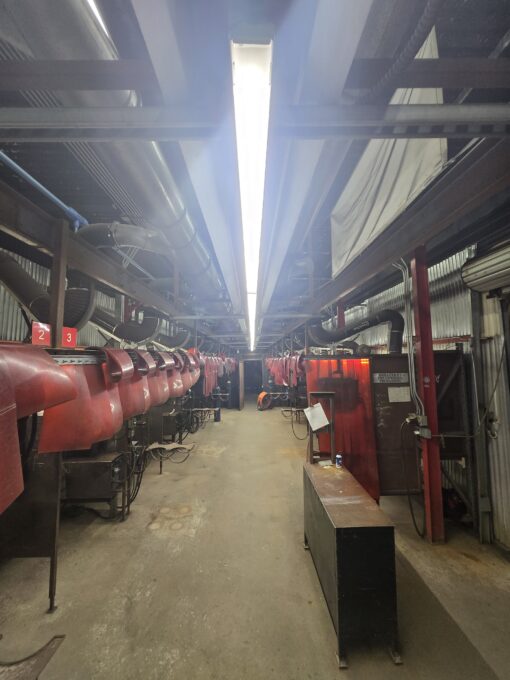
Supporting welding means supporting the pipeline — from training to employment.
Organizations like Workshop for Warriors are doing more than teaching people how to weld. They’re giving veterans confidence that their skills are relevant, needed, and future-proof. AWS is backing that effort with data, scholarships, and workforce tools that connect training to real jobs.
For Arc-Zone, this isn’t about checking a box or making an appearance. It’s about being part of the ecosystem that keeps skilled trades strong — and being ready to collaborate more as the timing and resources align.
This is where welding starts.
And this is where its future is being built.
Stay connected with Arc-Zone for ongoing insight into welding workforce trends, advanced fabrication techniques, and industry innovation. Explore our technical blogs, Helpful How-to’s, and real-world case studies designed to support welders at every level. Visit Arc-Zone.com and follow us on social media to stay informed and ahead of what’s next.
Arc-Zone®
Technical Leadership. Proven Shop-Floor Results.

